Contact
Click below to speak to a Diamond Consultant or customer service.
 1 888-658-6372
or
Live Chat8:00 am - 6:00 pm CST (Mon - Fri)

Click below to speak to a Diamond Consultant or customer service.
1 888-658-6372
or
Live Chat8:00 am - 6:00 pm CST (Mon - Fri)
Before being purchased, many diamonds, and all Lumera Diamonds (with the exception of our diamond stud earrings) are sent to a third party laboratory for a comprehensive evaluation; a process known as diamond certification. A reputable lab is one staffed by professional gemologists who specialize in diamond grading. Each diamond certificate issued is uniquely numbered, and corresponds to one individual diamond. From that point forward, the diamond and certificate (laminated to prevent tampering or damage) will travel together from seller to buyer.
Laboratory certification provides an impartial judgment of the characteristics and quality of each diamond. This certification (called a grading report, or dossier by GIA) gives the purchaser added confidence that the diamond received is as described by the seller. The diamond certificate is also valuable for insurance purposes, as it provides a professional, independent evaluation of the diamond.
A laboratory certification is not an appraisal. An appraisal seeks to establish the value of an item, mainly for insurance purposes. A diamond certificate does not evaluate a diamond's market value, only its characteristics and quality. That said, diamond certification from a reputable laboratory is invaluable in generating an accurate appraisal.
SEARCH FOR A CERTIFIED DIAMOND NOW
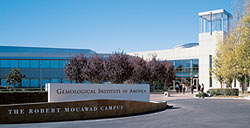
Lumera sells only loose diamonds which have been certified by the Gemological Institute of America (we do offer uncertified diamond studs). GIA is the world's oldest, largest, and one of the most respected independent laboratories. Unlike some other labs, GIA is not owned or partially owned by diamond wholesalers or retailers, and is a non-profit organization. GIA actually developed the "4 C's" diamond grading system (used almost universally today) to provide truly objective standards in the evaluation of a diamond.
Every certified Lumera Diamond is accompanied by its GIA Grading Report or Dossier. These diamond grading certificates may be viewed prior to purchase by clicking the name "GIA" next to the diamond.
Following is an overview of what each document contains:
For smaller diamonds, an abbreviated form of the GIA Grading Report is often used, called a GIA Dossier. This condensed report offers the same information as the GIA Grading Report listed above, with the exception of a diamond plot, since the individual flaws are less important in smaller stones (as is clarity in general).
Every diamond that has been issued a GIA Diamond Dossier will have the report number laser inscribed on the diamond's girdle. This added security allows the purchaser to confirm the identity of the diamond at all times.
SEARCH FOR A CERTIFIED DIAMOND NOW
All Labs are not created equal, and their judgments are not held to any objective standard. Unfortunately, some labs have succumbed to pressure from retailers to lower their standards, thereby allowing lower quality diamonds to be certified with higher ratings, increasing their value in the marketplace. Before relying on any diamond certificate, make sure you are comfortable with the reputation and expertise of its author.
While Lumera chooses to offer GIA certified diamonds, other labs which have a strong reputation in the marketplace include AGS (American Gem Society) and HRD (more common in Europe than the U.S). Diamonds with certification from labs such as IGI and EGL tend to sell at a small discount, since these labs are known for relaxed diamond grading standards (for example, a diamond graded G in color by EGL may only be graded H by GIA).
Use caution when comparing the price of diamonds graded by two different labs; what at first seems like a bargain may only be the result of more relaxed diamond grading.
Only buy diamonds which have been certified by a reputable lab. Do not accept certifications created by retailers, even if they claim to be GIA trained.
Keep your diamond certificate in a safe place. It provides invaluable security in the case of loss (helping to establish the quality and size of diamond required for equitable replacement), trade, or resale. Whenever the diamond must leave your possession (for example, to be cleaned), always let the party taking possession know you have a certificate. Knowing you can positively identify your diamond removes any temptation on the part of the third party to commit fraud (such as switching the diamond for one of lower quality).
A copy of your uniquely numbered GIA certificate is kept permanently on file with the GIA, and can be replaced at anytime if lost or destroyed.
Visit the Lumera Diamond Buying Guide for additional tips and advice.
SEARCH FOR A DIAMOND NOWQuestions about certification or other aspects of a diamond? Ask a diamond consultant for answers. A consultant will answer any questions you have, and if you like, search for diamonds on your behalf that match your criteria. chat online, or send your request to [email protected].